

Goodwin Procter LLP are most popular:
- within Transport topic(s)
As M&A deal timelines stretch, some private equity sponsors
are finding opportunities when others see only delays.
This is the first article in our “Strategies for Winning Deals” series,
which highlights ways that private equity sponsors can gain a
competitive edge in buyouts without overpaying.
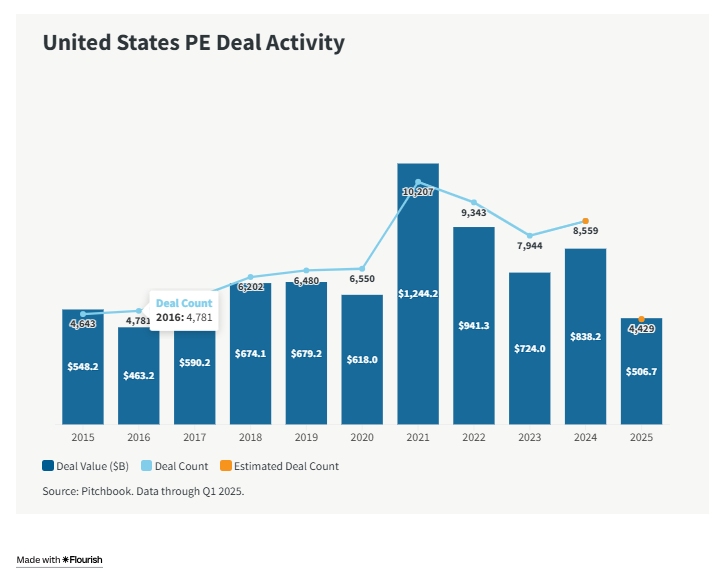
Private equity (PE) dealmaking is showing clear signs of
recovery. After a difficult 2023 that saw US deal value fall 24%
and deal count drop 15%, the market rebounded in 2024, with deal
value rising by 16% and deal count rising by 8%. That momentum has
carried into 2025, with estimated H1 deal value reaching $506.7
billion, up 29% from a year earlier.
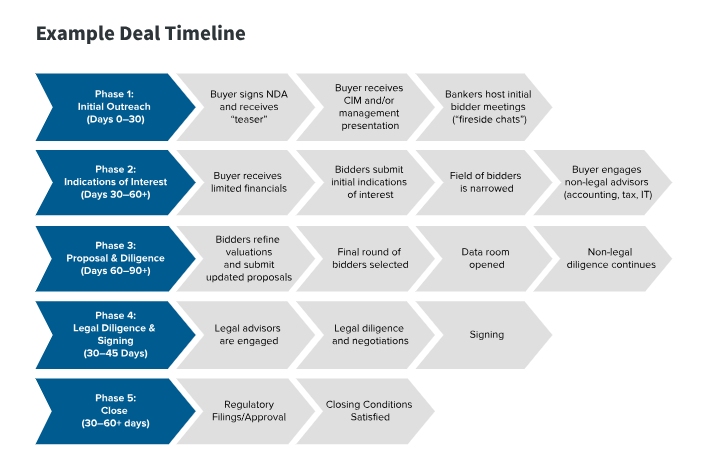
However, the deals getting done are taking much longer to
complete. Extended due diligence, complex financing arrangements,
and heightened regulatory scrutiny have stretched deal processes
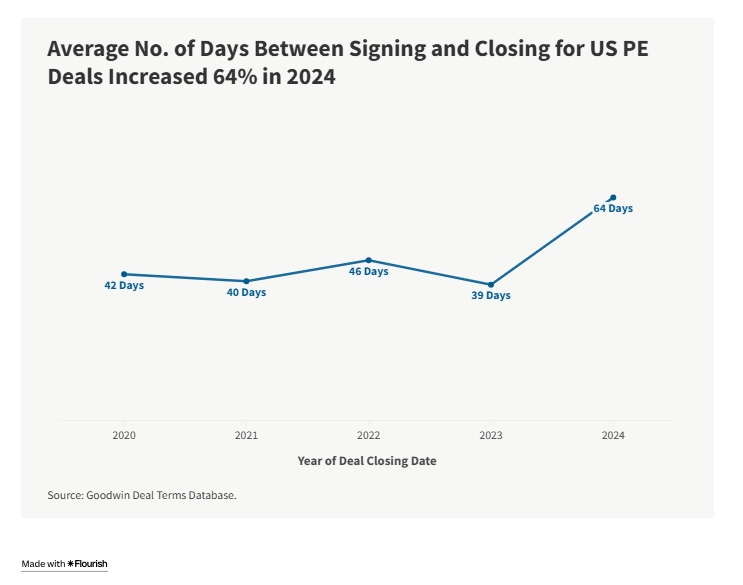
well beyond traditional time frames. Our Goodwin Deal Terms
Database shows that the time between signing and closing private
equity M&A deals increased 64% from 2023 to 2024, and this
represents only the final phase of an overall lengthening process
that begins much earlier, from initial target identification
through due diligence and negotiation.
Understanding what’s behind the slowdown — and how to
respond — has become essential for deal success in
today’s market. In this article, we discuss the key factors
driving longer deal timelines and highlight the strategies PE
sponsors are taking to turn delays into competitive advantages.
The Financing Challenge
The elevated cost of debt has fundamentally altered
PE-dealmaking dynamics. Prior to recent rate increases, reasonably
priced debt was readily available to sponsors, which fueled M&A
activity. With capital now more expensive and lenders exercising
greater scrutiny before extending credit, private equity sponsors
have been forced to adjust their approach.
Higher interest rates and tighter credit terms directly impact
acquisition strategies and return models, leading fewer sponsors to
meet aspirational valuations for assets. Sellers now face fewer
potential buyers willing or able to meet their valuation
expectations.
The result has been a significant decline in the number of
“front-running” deals. In 2021’s frothy market,
sponsors routinely preempted banker-led sale processes by
conducting extensive up-front work in hopes of submitting
attractive bids with high valuations and commitments to close
within days. In today’s market, sellers are more inclined to
conduct broader auction processes before granting exclusivity,
extending M&A deal timelines as they seek to maximize
competitive tension among bidders.
Process and Regulatory Complexity
The shift toward longer timelines extends beyond financing
challenges. Sponsors are expanding their diligence processes in
both scope and duration, adding weeks if not months to overall deal
timelines. This heightened focus on diligence reflects the need for
greater certainty in a more cautious market environment.
Buyer-side representations and warranties insurance (RWI)
policies continue growing in popularity as sponsors seek to share
or allocate risk. While the RWI market has become increasingly
competitive — providing benefits in terms of cost, coverage
quality, and payment of claims — these policies require
thorough due diligence processes, further contributing to extended
timelines and increased effort from both buyers and sellers.
More comprehensive diligence efforts inevitably uncover
additional issues or areas of concern, leading to protracted
negotiations and often reductions to previously proposed
valuations. The intensified regulatory environment compounds these
delays. A more active domestic antitrust regime (at both the
federal and state levels), combined with increasingly complex
foreign direct investment, Committee on Foreign Investment in the
United States, and international regulatory guidelines, has
necessitated more robust diligence exercises.
More transactions now require regulatory filings and approvals.
These regulatory notices or consents can add significant time to
deals and, depending on specific requirements, may prevent parties
from signing definitive agreements or closing transactions until
clearance is obtained.
The mix of expensive debt, expanded diligence requirements, and
regulatory complexity has made it increasingly common for M&A
transactions to be repriced or abandoned entirely as issues emerge
during extended processes. This is not all bad news for buyers,
however, as PE sponsors are positioned favorably relative to
would-be sellers; similarly, owners of highly attractive assets can
still drive competitive sale processes and, in limited
circumstances, do so quickly.
Turning Longer Timelines Into Competitive Advantages
While extended deal timelines create challenges, savvy sponsors
are learning to use these market dynamics strategically. The key is
recognizing that longer processes create both opportunities and
risks that can be managed with the right approaches.
- Leverage speed as a differentiator: In a
market in which deals routinely stretch three to six months,
sponsors who can commit to accelerated timelines gain significant
competitive advantages. This means having preapproved financing,
streamlined diligence processes, and dedicated deal teams ready for
immediate deployment. - Use time for competitive intelligence:
Extended processes provide opportunities for deeper market analysis
and competitive positioning. Smart sponsors use longer timelines to
conduct thorough management assessments, identify operational
improvement opportunities, and develop detailed value creation
plans. This preparation enables more confident bidding and better
post-acquisition execution. - Conduct risk mitigation through expanded
diligence:Longer timelines enable more comprehensive due
diligence across legal, financial, operational, and environmental,
social, and governance dimensions. Sponsors can identify and
address potential issues before closing rather than discovering
them post-acquisition. This thoroughness reduces execution risk and
enables more accurate valuation. - Manage deal fatigue and seller relationships:
Extended processes create seller fatigue that smart buyers can
address strategically. Communicating regularly about process
progress, minimizing redundant requests, and demonstrating genuine
partnership commitment help maintain seller engagement. Sponsors
who manage relationships well during long processes often gain
advantages in final negotiations. - Time market entry strategically: Understanding
that private equity deal processes now take longer allows sponsors
to time their market entry more strategically, engaging with
attractive targets earlier in their development cycles before
formal sale processes begin.
The most successful private equity sponsors view longer deal
timelines not as obstacles but as new market conditions requiring
adapted strategies — and those who adapt effectively will
gain sustainable competitive advantages.
* * *
The next article in our “Strategies for Winning Deals” series,
“Deal Certainty: Building Closing
Confidence,” examines tactics sponsors can use to provide
deal certainty — a critical differentiator when sellers face
extended timelines and increased execution risk.
The content of this article is intended to provide a general
guide to the subject matter. Specialist advice should be sought
about your specific circumstances.
link